How A Licensed Plumber In Mudgeeraba Ensures Your Home Meets Australian Standards
Plumbing is one of those things most homeowners only think about when something goes wrong. But the decisions made during an installation,
renovation or repair can have consequences that outlast the job itself by years, sometimes decades. Whether you're updating a
hot water system, laying new drainage or preparing a property for sale, who does the work and how it's done matters far more than most people realise. Compliance with Australian standards isn't red tape for its own sake. It's what stands between a safe, functional home and a costly problem that could have been avoided from the start. For homeowners working with a licensed
plumber in Mudgeeraba, that assurance comes built into every job.
What a Plumbing Licence Actually Means in Queensland
In Queensland, licensed plumbers are regulated by the Queensland Building and Construction Commission (QBCC). Holding a QBCC licence isn't simply a formality. It means the tradesperson has met formal training requirements, demonstrated practical competency and carries the insurances required to legally perform plumbing work on residential properties.
There are different licence categories covering different scopes of work, including:
- Hydraulic services, which covers water supply, drainage and sanitary plumbing.
- Gas fitting, which is a separate licence category requiring additional certification.
- Fire protection and irrigation, which apply to more specialised residential or commercial work.
Before any work begins, homeowners in Queensland have every right to ask for a plumber's QBCC licence number and verify it through the QBCC online register. A reputable tradesperson will have no hesitation providing it.
The Australian Standard Behind Every Plumbing Job
Most homeowners have never heard of AS/NZS 3500, and there's no reason they should need to. But understanding what it represents is useful context when making decisions about plumbing work. AS/NZS 3500 is the Australian and New Zealand standard that governs plumbing and drainage systems across residential and commercial properties, covering everything from pipe sizing and installation methods to drainage gradients and fixture requirements.
In plain terms, it exists to ensure:
- Plumbing systems are installed in a way that protects public health and safety.
- Water supply and drainage infrastructure performs reliably over the long term.
- Work is consistent and verifiable, regardless of which tradesperson completed it.
When a licensed plumber follows AS/NZS 3500, they're installing systems that will hold up under scrutiny from councils, insurers and future buyers.
The Jobs Where Compliance Matters Most
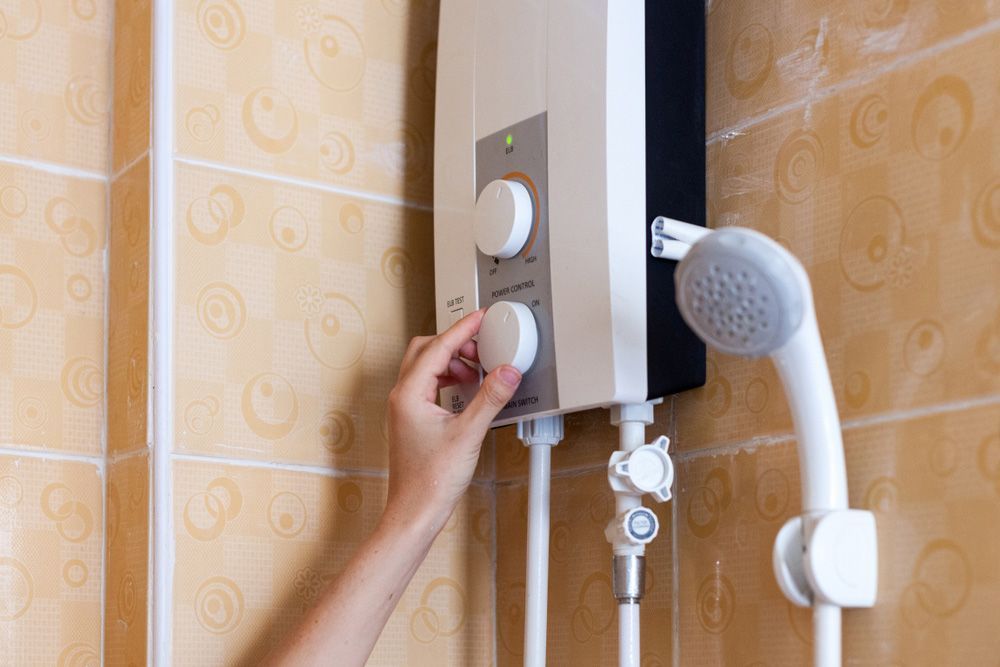
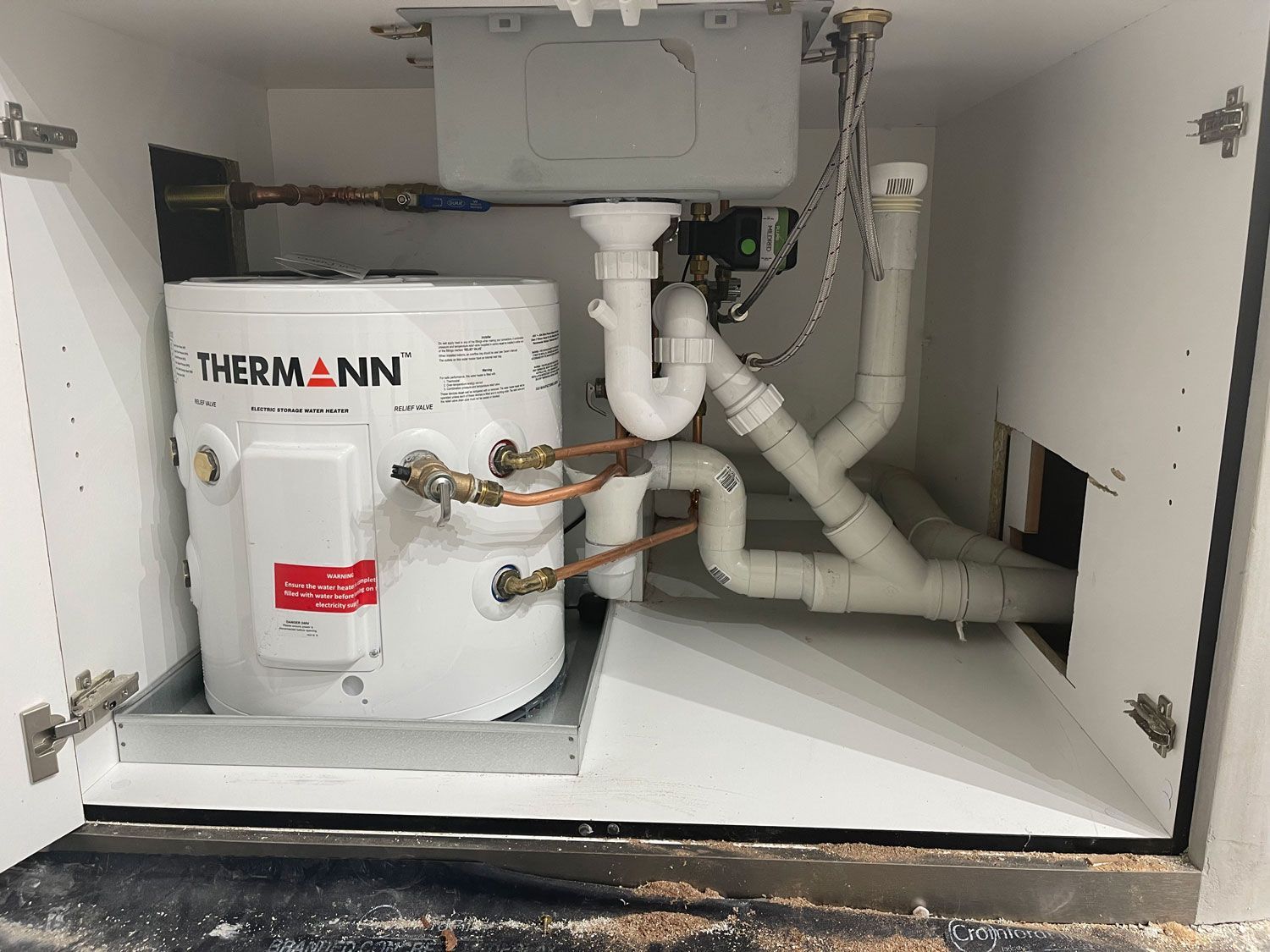
Not all plumbing work carries equal risk if done incorrectly, but several common residential jobs have particularly significant compliance implications. Hot water system installations are one of the most regulated areas of residential plumbing, with specific requirements around pressure relief valves, temperature settings and installation clearances.
Other areas where compliance is critical include:
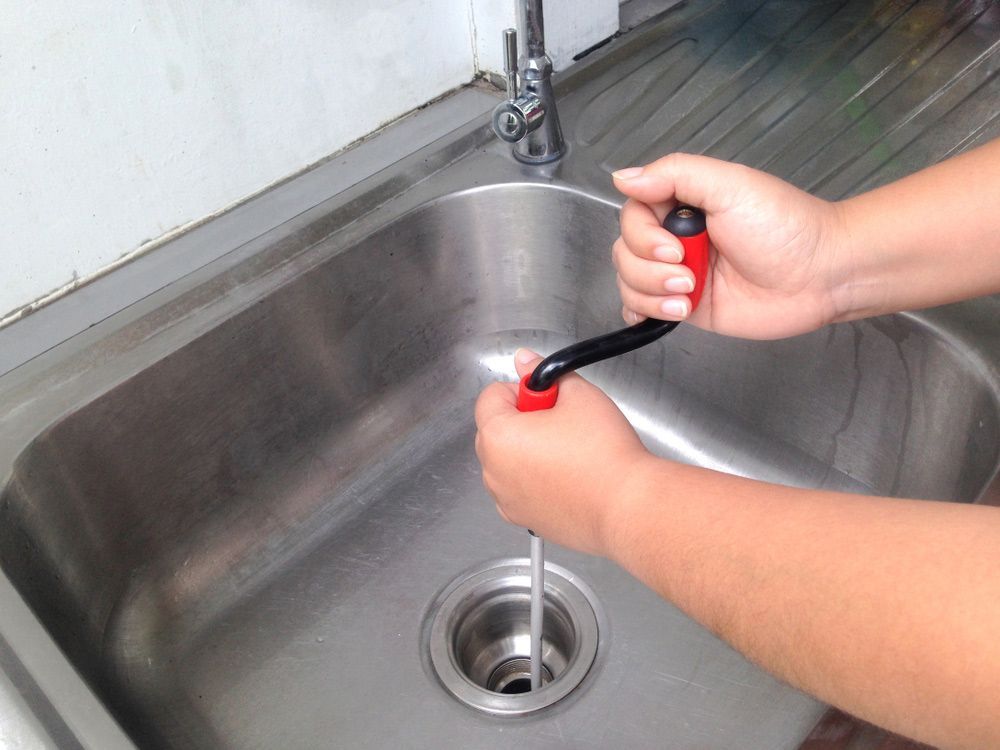
- Drainage and sanitary plumbing, where incorrect falls or connections can cause ongoing blockages, odour issues or health hazards.
- Bathroom and laundry renovations, where new fixture installations must meet current standards even in older homes.
- Any plumbing work adjacent to gas lines, which requires careful coordination and the correct licence categories.
These are not jobs where cutting corners saves money. They're jobs where cutting corners creates liability.
What Happens When Unlicensed Work Is Done
The risks associated with unlicensed plumbing work go well beyond the immediate job. If something fails or causes damage, home insurance policies can be voided where it's found that work was carried out by an unlicensed tradesperson, leaving the homeowner fully exposed to repair costs that can run into the tens of thousands of dollars.
The downstream consequences don't stop there:
- Properties with non-compliant plumbing can face significant complications at the point of sale, including mandatory rectification before settlement.
- Council inspections for renovations or additions may flag unlicensed work, triggering formal enforcement action.
- Tenants in rental properties have legal protections that landlords can find themselves on the wrong side of if plumbing work doesn't meet code.
For homeowners who value their property and peace of mind, the case for licensed work is straightforward.
Why Local Knowledge Makes a Genuine Difference
A licensed plumber who works regularly in Mudgeeraba brings something that interstate directories or national franchise operators often can't offer: direct familiarity with the conditions that affect homes in this specific area. The Gold Coast hinterland fringe has its own soil profiles, drainage characteristics and housing stock considerations that influence how plumbing systems should be specified and installed.
Local knowledge translates into practical advantages such as:
- Understanding how reactive soils in parts of the region can affect pipe bedding and drainage performance over time.
- Familiarity with the age and construction methods of local housing stock, particularly in established residential pockets.
- Direct working knowledge of Gold Coast City Council requirements and inspection processes.
That familiarity reduces the chance of surprises mid-job and helps ensure the work is specified correctly from the outset.
Checking Compliance Goes Beyond the Pipes Themselves
Compliance in residential plumbing isn't only about whether the pipes are correctly installed. It also extends to documentation, inspection and sign-off processes that protect the homeowner after the job is complete. For certain categories of work, a licensed plumber is required to issue a compliance certificate, which serves as the formal record that the work meets the relevant standard.
Homeowners should be aware that:
- Compliance certificates should be requested and retained for any significant plumbing installation or alteration.
- These documents are relevant at the point of property sale and can be requested by conveyancers or buyers.
- Insurance claims related to plumbing failures are far easier to manage when proper documentation exists.
Keeping records of licensed work is a simple habit that can have significant practical value years down the track.
What to Check Before You Hire
For homeowners preparing to take on a renovation or plumbing installation, the due diligence process doesn't need to be complicated. When searching for a plumber in Mudgeeraba, a few straightforward checks before signing any agreement can make a significant difference to the outcome.
Before engaging a plumber, it's worth taking time to:
- Verify their QBCC licence number through the official online register, which is publicly accessible and free to use.
- Confirm they hold current public liability and home warranty insurance appropriate for the scope of work.
- Check local reviews or ask for references from previous jobs in the area.
A tradesperson who is properly licensed, insured and locally experienced will have no issue satisfying any of these checks.
Speak with a Local Plumber Who Knows the Area
We at Plumbtek Solutions work with Mudgeeraba homeowners and landlords across the Gold Coast hinterland on everything from routine maintenance to full renovation plumbing. We understand the compliance requirements that apply to residential work in this area and are familiar with the local conditions, council processes and housing stock that shape how jobs need to be approached.
If you're planning plumbing work and want confidence that it will be done correctly, compliantly and to a standard that protects your home's value, get in touch with our team. We're happy to answer your questions, provide a clear quote and make sure the work is backed by proper documentation from day one. Finding a reliable plumber in Mudgeeraba doesn't have to be complicated. We're here to make it straightforward.